Product Details
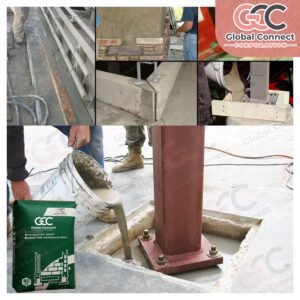
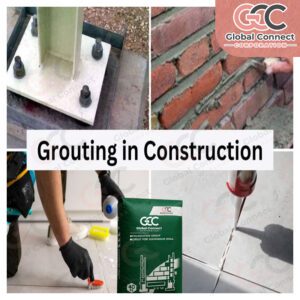
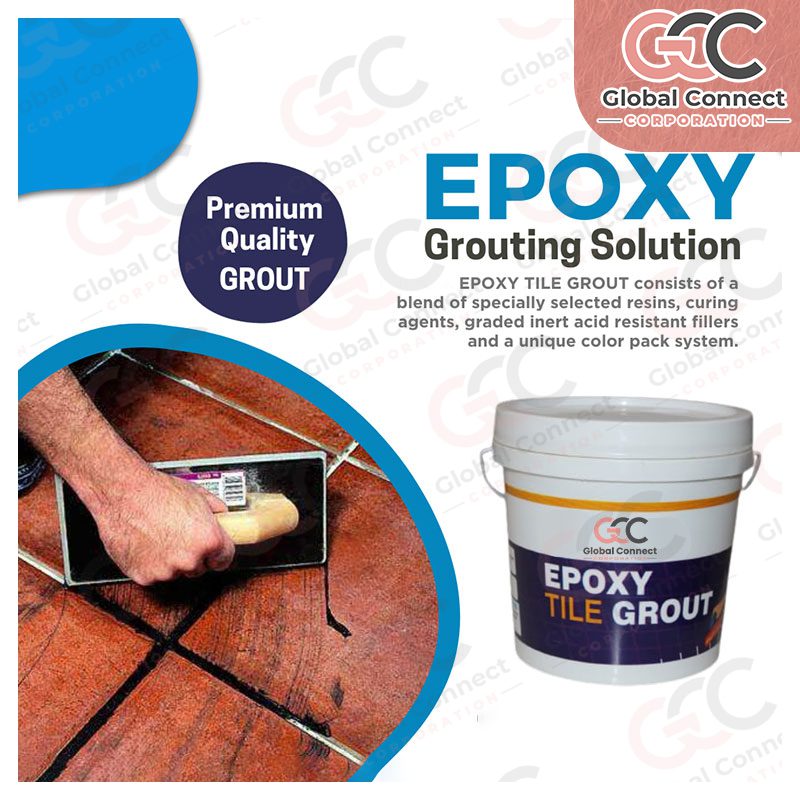
Epoxy grouts and anchoring compounds are designed for demanding industrial and construction applications requiring exceptional strength, durability, and chemical resistance. These two-component systems form strong, secure bonds for structural elements, supporting heavy loads and dynamic stresses while resisting corrosion and moisture. Their high flowability and non-shrink properties ensure void-free gap filling, ideal for machine grouting, baseplates, rebar anchoring, and critical infrastructure repairs.
Product Types: Two-component epoxy grout and anchoring compounds (e.g., D Fix Crack & Fix, D Fix Diamond)
Materials: Pre-measured resin and hardener kits for precise mixing
Performance: Superior adhesion, non-shrink; high compressive (>70 MPa) and flexural strength; excellent chemical and moisture resistance
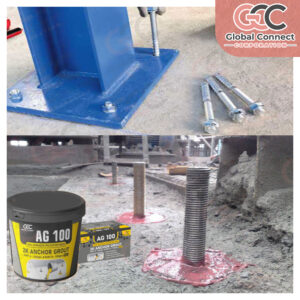
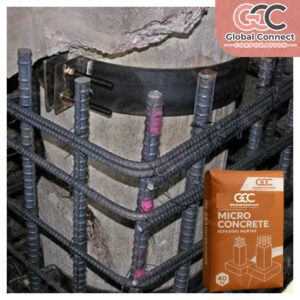
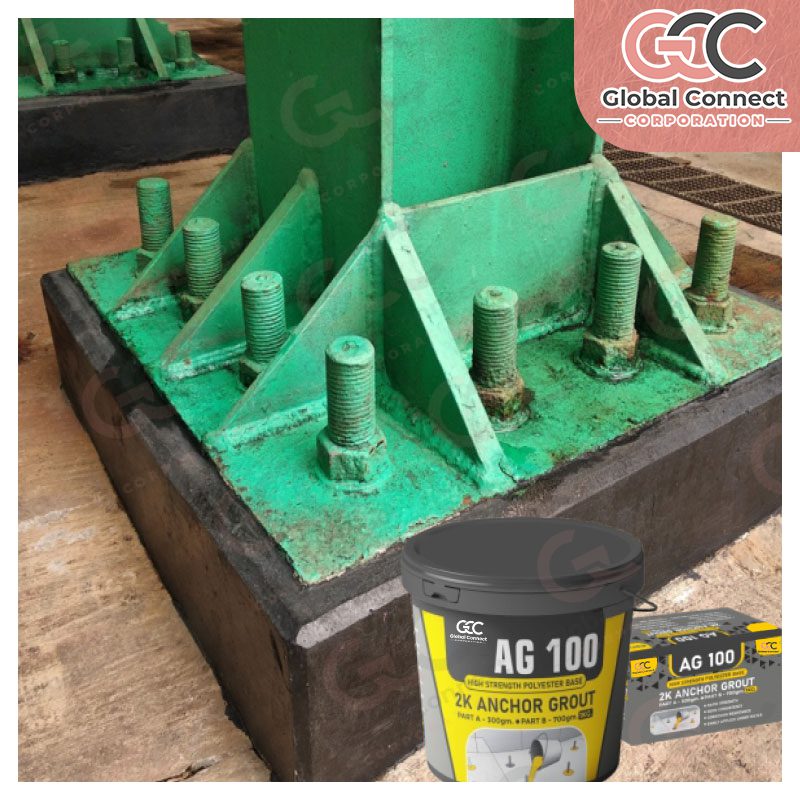
Compatibility: Suitable for machine bases, anchor bolt fixing, structural grouting, rebar anchoring, bridge and column connections
Special Features: Solvent-free; rapid and medium curing options; vibration and dynamic load resistant; waterproof and corrosion resistant
Packaging: Kits in 1.5kg, 7.5kg, 45kg sizes
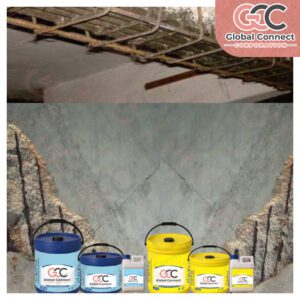
Applications: Heavy machinery foundations, precast panel joints, steel and concrete anchoring, crack injection, structural grouting
Mixing Ratios: Pre-measured components for consistent performance
Application Methods: Brush, roller, trowel, injection
Shelf Life: 12–24 months sealed under dry storage
Frequently Asked Questions – Anchoring Compounds
How do structural contractors choose the right anchoring compound for heavy-load installations?
The selection depends on the anchor diameter, embedment depth, concrete condition, load requirements, and environmental exposure. Heavy structural applications require anchoring systems designed for reliable long-term load transfer.
Why is hole cleaning critical before installing chemical anchors?
Dust, drilling residue, and loose particles can reduce bonding performance. Professional installers clean drilled holes thoroughly before injecting the anchoring compound to achieve maximum holding strength.
Which projects generate the highest demand for anchoring compounds?
Steel structures, elevator installations, telecom towers, solar mounting systems, industrial equipment, precast construction, bridge upgrades, and infrastructure projects continue to drive demand across Asia, the Gulf, Europe, and Africa.
Can anchoring compounds be used for overhead installations?
Yes. High-performance formulations are commonly used for ceiling-mounted supports, suspended utilities, pipe hangers, cable trays, and overhead structural connections where secure positioning is essential.
How do contractors achieve accurate anchor alignment during installation?
Precise drilling, correct embedment depth, proper resin injection, and maintaining the anchor position during curing help ensure reliable installation quality.
Why are anchoring compounds widely used for solar and telecom infrastructure?
Solar mounting systems and telecom towers experience continuous wind loads and environmental exposure, making dependable anchoring performance essential for long-term structural stability.
What should project engineers evaluate before approving an anchoring compound?
Professional buyers typically review pull-out performance, curing time, temperature suitability, substrate compatibility, installation requirements, and long-term durability before bulk procurement.
How do contractors improve productivity on large anchor installation projects?
Using cartridge-based dispensing systems, standardized drilling procedures, and efficient installation sequencing helps increase productivity while maintaining consistent anchor performance.
What trends are increasing demand for anchoring compounds?
Growth in renewable energy, commercial construction, industrial expansion, transportation infrastructure, and post-installed structural fixing continues to increase demand across Asia, the Gulf, Europe, and Africa.
Why do EPC contractors and installation specialists build long-term partnerships with GCC for anchoring compounds?
GCC combines manufacturing excellence, product innovation, export-quality production, OEM and private-label manufacturing, and dependable global delivery to support contractors, distributors, industrial facilities, and infrastructure projects across Asia, the Gulf, Europe, and Africa.