Product Details
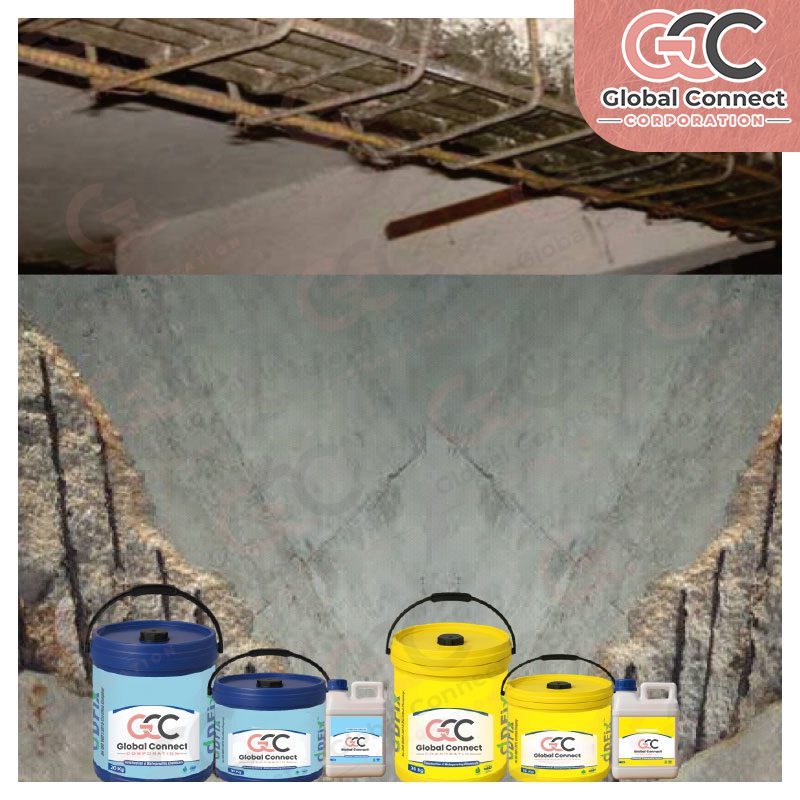
Latex and acrylic bonding agents are designed to enhance adhesion, durability, and flexibility in cementitious mixtures. Used as admixtures or surface bonding slurries, they ensure strong integration between old and new concrete or mortar surfaces and provide lasting, crack-resistant repairs in civil, industrial, and residential applications. These agents are essential for overlays, repairs, waterproofing, and creating dense, flexible surfaces for both interior and exterior use.
Product Types: SBR latex bonding agents, acrylic polymer bonding agents, admixtures for cement/mortar modification
Materials: Single-component, water-based liquid emulsions, ready to use and easy to mix
Performance: Enhances bond strength, flexural and tensile strength; increases water resistance; reduces cracking
Compatibility: Suitable for concrete, plaster, mortar, brickwork, screeds, overlays, repair compounds
Special Features: Improves adhesion, reduces permeability, resists shrinkage and debonding; non-toxic, chloride-free (safe for potable water and food areas)
Packaging: Bottles and drums in 500g, 1kg, 5kg, 10kg, 20kg, 50kg sizes
Applications: Bond coats, polymer-modified repair mortars, overlays, waterproofing slurries, concrete patching, crack filling
Frequently Asked Questions – Latex Bonding Agent
Why do renovation contractors use a latex bonding agent before applying fresh mortar?
Latex bonding agents create a strong adhesion layer between existing concrete and new mortar, helping reduce delamination and improve the durability of renovation work.
How does a bonding slurry improve plaster adhesion?
A latex-modified slurry helps fresh plaster grip smooth concrete surfaces more effectively, reducing the chances of peeling, hollow patches, and surface separation.
Can latex bonding agents improve floor screed performance?
Yes. They help improve screed adhesion, reduce dusting, enhance surface durability, and create a stronger bond with the existing concrete substrate.
Which applications generate the highest demand for latex bonding agents?
Wall plastering, floor screeds, tile bedding, concrete repairs, balcony renovations, staircase repairs, and commercial refurbishment projects continue to drive demand across Asia, the Gulf, Europe, and Africa.
How do tile contractors benefit from using latex-modified bonding systems?
Latex additives help improve adhesion, reduce shrinkage-related issues, and provide more reliable performance when installing tiles on challenging substrates.
Can latex bonding agents help reduce cracking in repair mortars?
They can improve flexibility and bonding performance, helping repair mortars perform more reliably where minor movement or shrinkage may occur.
What should project buyers evaluate before selecting a latex bonding agent?
Professional buyers typically assess bonding strength, compatibility with cement-based materials, flexibility, dilution recommendations, working characteristics, and application suitability before bulk procurement.
How do contractors achieve consistent results when using latex bonding agents?
Proper surface cleaning, correct mixing ratios, uniform slurry application, and following recommended curing practices help maintain consistent performance across every project.
What trends are increasing demand for latex bonding agents?
Growth in building renovations, tile-over-existing-floor installations, commercial refurbishment, waterproofing upgrades, and durable cement-based finishing systems continues to increase demand across Asia, the Gulf, Europe, and Africa.
Why do contractors and distributors build long-term partnerships with GCC for latex bonding agents?
GCC combines manufacturing excellence, product innovation, export-quality production, OEM and private-label manufacturing, and dependable global delivery to support contractors, distributors, and construction professionals across Asia, the Gulf, Europe, and Africa.