Product Details
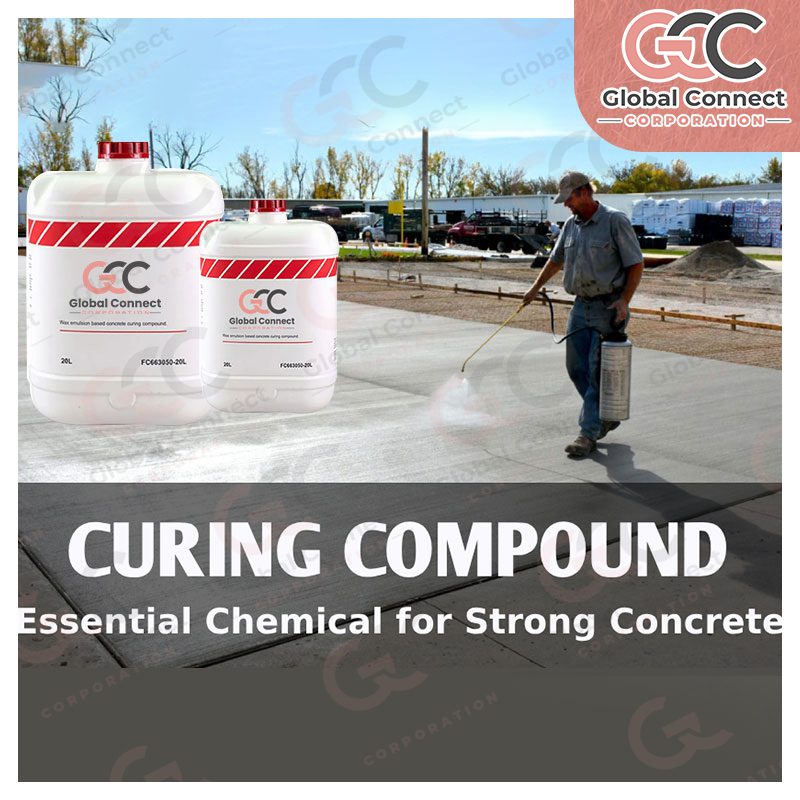
Concrete curing compounds are designed to optimize cement hydration by preventing excessive moisture loss in freshly placed concrete, thereby enhancing strength, reducing surface cracking, and improving durability. These ready-to-use liquids offer easy spray-on application and quick drying, making them essential for all concrete finishing processes, particularly where traditional water curing is challenging.
Product Types: Water-based and solvent-based curing compounds including acrylic, resin, and wax emulsions
Materials: Ready-to-use liquids suitable for spray or brush application
Performance: Reduces moisture loss, promotes cement hydration, improves concrete strength and durability
Compatibility: Suitable for all concrete surfaces such as pavements, industrial floors, bridge decks, precast units
Special Features: Forms a protective membrane; available in white pigmented, clear, and colored variants; helps reduce thermal cracking
Packaging: Available in 20L, 50L, 200L drums and 1000L IBCs
Application Areas: Freshly finished concrete, exposed slabs, highways, airports, large infrastructure projects
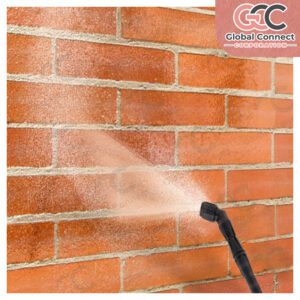
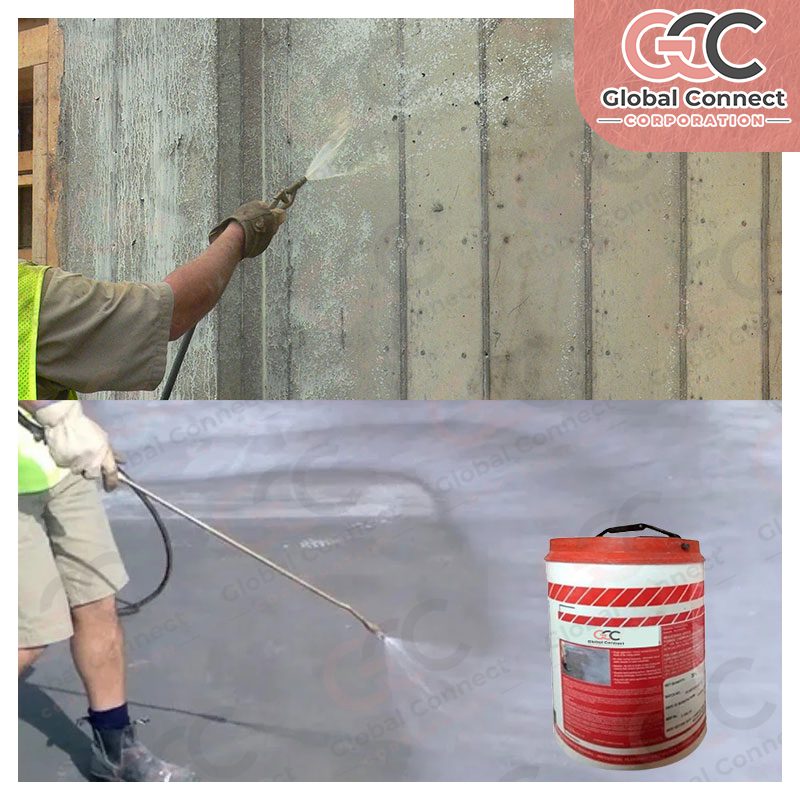
Application Methods: Sprayer, roller, or brush with quick drying for fast site turnover
Standards Compliance: IS 9103, ASTM C309, EN 934-3
Shelf Life: Typically 12–18 months unopened, stored in cool, dry conditions
Frequently Asked Questions – Curing Compounds
Why do highway contractors prefer curing compounds over continuous water curing?
On large roads, pavements, and infrastructure projects, curing compounds help retain moisture across extensive concrete surfaces without the labour and water requirements of continuous wet curing.
How do curing compounds help reduce early-age cracking?
By slowing moisture evaporation immediately after finishing, curing compounds help support proper cement hydration and reduce the likelihood of plastic shrinkage cracks during the critical early curing period.
Which projects generate the highest demand for curing compounds?
Highways, airport runways, industrial floors, warehouses, precast yards, commercial buildings, bridges, and large concrete slabs continue to drive demand across Asia, the Gulf, Europe, and Africa.
Can curing compounds improve productivity on large construction sites?
Yes. They allow contractors to protect freshly placed concrete quickly, helping crews maintain construction schedules while reducing the operational challenges associated with prolonged water curing.
How do contractors ensure uniform curing across large concrete pours?
Professional teams apply curing compounds evenly using suitable spray equipment, maintain recommended coverage rates, and apply the product immediately after finishing for consistent moisture retention.
Why is evaporation control especially important in hot and windy climates?
High temperatures and strong winds accelerate moisture loss, making effective curing essential for achieving consistent concrete strength and surface quality across challenging site conditions.
What should project consultants evaluate before approving curing compounds?
Buyers typically assess moisture-retention performance, coverage efficiency, drying characteristics, application compatibility, curing effectiveness, and compliance with project specifications before bulk procurement.
Can curing compounds be used for precast concrete production?
Yes. Precast manufacturers use curing compounds to help maintain consistent curing conditions, improve production quality, and support repeatable manufacturing performance.
What trends are increasing demand for curing compounds?
Expansion of transportation infrastructure, industrial construction, precast manufacturing, sustainable construction practices, and large-scale concrete projects continues to increase demand across Asia, the Gulf, Europe, and Africa.
Why do contractors and infrastructure developers build long-term partnerships with GCC for curing compounds?
GCC combines manufacturing excellence, product innovation, export-quality production, OEM and private-label manufacturing, and dependable global delivery to support contractors, ready-mix producers, distributors, and infrastructure projects across Asia, the Gulf, Europe, and Africa.